

Warren Chan JACS: Using base-pairing interactions to replace non-specific intermolecular interactions to improve the drug delivery effect of nanoparticles
Nanoparticles can contain various types of therapeutic agents and imaging agents for the treatment and diagnosis of diseases. However, controlling the storage of molecules in nanoparticles is challenging because it is non-specific molecular interactions that are used to encapsulate drugs. Here, the University of Toronto, CanadaWarren C. W. ChanThe professor uses specific DNA interactions to store molecules in nanoparticles.
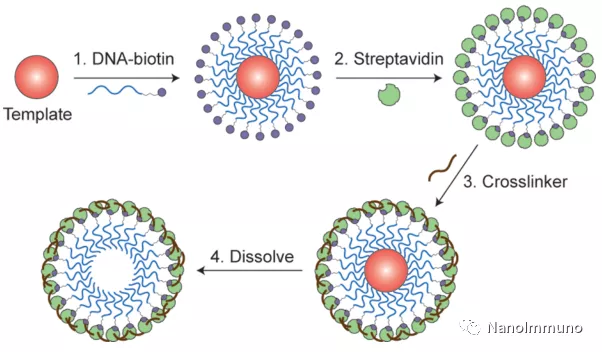
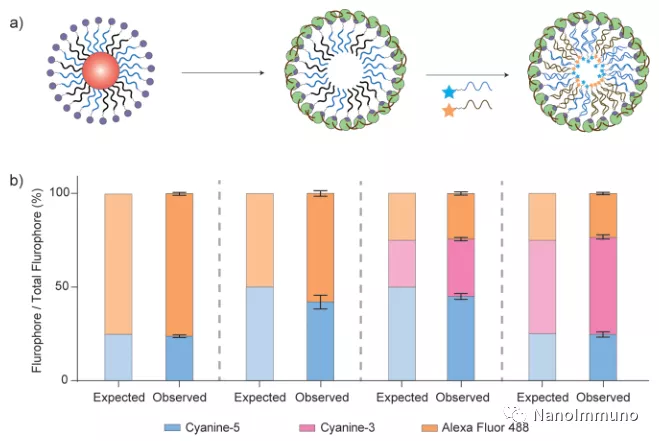
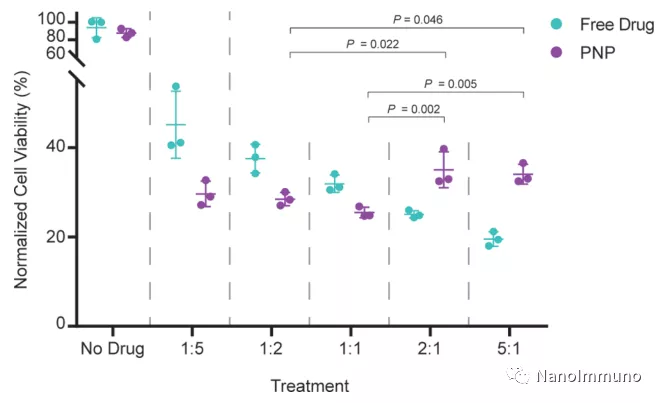
In this paper, nanoparticles containing DNA anchors are prepared to capture small molecules that bind to DNA. By changing the sequence and stoichiometry of the DNA anchor, the number and proportion of molecules with different chemical properties in the nanoparticle can be controlled. By changing the ratio of the drug mertansine and adriamycin to change the cytotoxicity of nanoparticles to cancer cells. Controlling the storage of multiple types of molecules can optimize the effect of drug combination and the imaging performance of nanoparticles.
In this paper, specific base-pairing interactions of protein nanoparticles are used to replace the complex and non-specific interactions between the molecules in the nanoparticles and the carrier material. This can control the storage of molecules with different chemical properties such as hydrophobicity in the nanoparticles, which cannot be passively encapsulated using PLGA nanoparticles or liposomes. Based on experience, the author determined the optimal design of protein nanoparticles, which can combine hydrophobic mertansine and hydrophilic doxorubicin to kill HeLa cells.
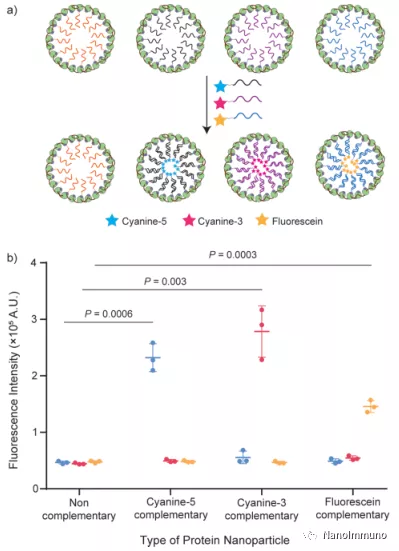
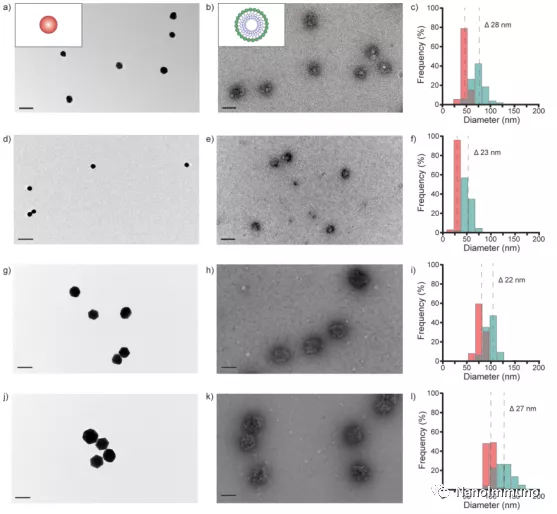
This protein nanoparticle strategy is an ideal method for screening and developing drug combinations and nanoparticles with diagnostic functions. The strategy is modular and can load different drugs and be made into different sizes. This design can easily generate a library of nanoparticles loaded with different drugs and perform functional tests. Precisely controlling the multiple types of encapsulated molecules can precisely control the effect of drug combination and the imaging properties of nanoparticles.
Original link:
https://pubs.acs.org/doi/abs/10.1021/jacs.0c09914
This information is sourced from the Internet for academic exchanges. If there is any infringement, please contact us to delete it immediately
18915694570
Previous: Professor Huang Haitao